


In manufacturing, measuring tools and gauges are fundamental to producing parts that meet exact specifications. Tools such as calipers, micrometers, dial indicators, and advanced electronic measurement systems all depend on accurate calibration to deliver correct results. Regular gage calibration has long been important for maintaining quality, but there is also growing pressure from customers. Many companies now require that suppliers provide documentation showing that every step of the production process meets quality standards.
Even a small deviation in a measuring device can lead to errors, rejected parts, and production delays. For companies managing thousands of tools, implementing a consistent calibration program helps maintain reliability and reduces the chance of mistakes.
Challenges of Manual Calibration
Some manufacturers invest in specialists to handle calibration in-house for large inventories of tools. Dial indicators, for example, must be checked at multiple points along their range. They also need to be tested in reverse to verify the repeatability of their readings. Traditional calibration often uses a mechanical micrometer as a reference, with the operator moving the indicator to each point and recording deviations.
The process is demanding and requires careful attention. Operators can easily misread numbers or make mistakes when interpreting the dial. Dial indicators are particularly susceptible to errors if they are not viewed from the correct angle. Long-range indicators, which may measure over 12.5, 25, 50, or even 100 millimeters, require many points to be checked, increasing the chance of fatigue and mistakes.
Automated Calibration Solutions
To reduce fatigue and improve efficiency, automated calibrators have been introduced. These machines move the indicator to precise points while the operator records the readings. This approach reduces hand and arm strain and makes the process less stressful. Although these systems represent an improvement, they still require human involvement, which limits the overall speed and productivity of the calibration process.
The next step in calibration is full automation. Indicators can be mounted directly into a calibration tool, with the system programmed to measure and certify the device on its own. This allows the technician to prepare the next indicator, review certification reports, or start another calibration process while the machine completes the measurements.
Vision Systems and Modern Accuracy
Advances in vision technology have transformed the calibration process. Cameras can now read both dial and digital indicators. For dial indicators, the camera captures the pointer and calculates its position relative to the graduated scale. For digital indicators, the system scans the display and interprets the numbers to measure deviations automatically.
Automation combined with image processing makes the process faster, reduces the risk of errors, and allows more data points to be recorded than manual methods. Operators avoid repetitive strain while calibration machines handle the measurement work. The result is a process that is safer, more efficient, and capable of producing highly accurate, documented results for a wide range of tools.
The Future of Calibration
Calibrating gauges has moved from a manual, labor-intensive task to a highly automated and reliable process. Modern automation and vision systems allow manufacturers to manage large numbers of indicators with less effort and greater precision. As production standards continue to rise, automated calibration offers a method for maintaining quality, increasing productivity, and minimizing the strain on operators. The technology creates a workflow that benefits both the operator and the overall production process.
Willrich Precision Instrument Company offers a wide range of measuring equipment, gauges, and inspection tools designed for precision and reliability. These services include gauge calibration, repair, and contract inspection, helping manufacturers maintain accurate measurements and meet quality standards. By using Willrich’s products and services, readers can improve production consistency, reduce errors, and save time while ensuring their tools perform at peak accuracy.
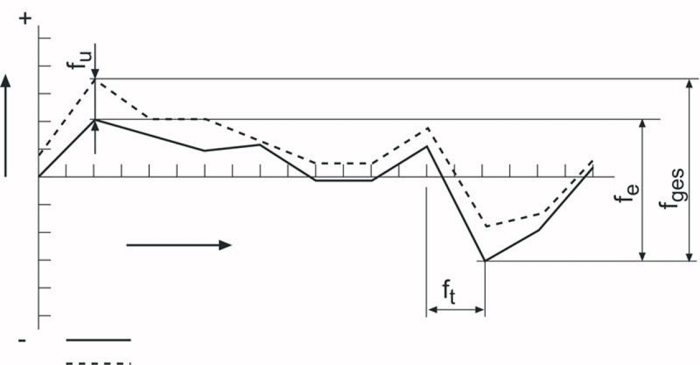
Example of points required for checking an indicator.
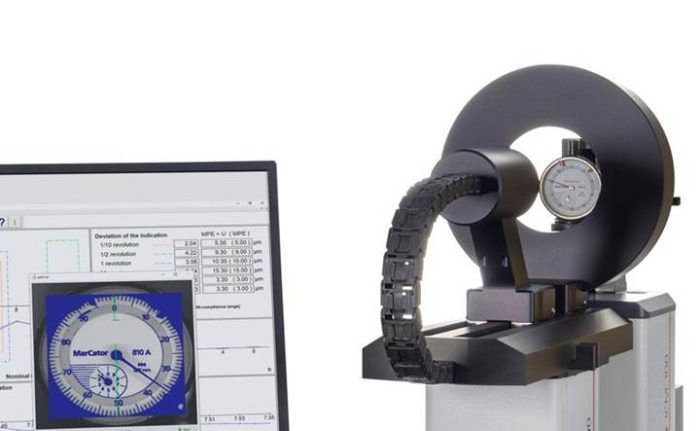
Systems can “read” the indicator to capture its values.
